By The Weiss Group
Ranch and equestrian properties across the Austin Hill Country come with a different set of questions than a typical residential purchase. Water rights, fencing, agricultural exemptions, and access all affect what a property can support, sometimes more than the size of the house itself. We walk buyers through these details early, since a ranch that looks straightforward on paper can come with restrictions or requirements that aren't obvious during a first visit.
Key Takeaways
- Learn why water rights work differently on Hill Country ranches than most buyers expect.
- Understand how agricultural exemptions affect property taxes and what they require.
- Discover what fencing and infrastructure typically come with an existing ranch property.
- Find out which Hill Country counties see the most ranch and equestrian activity.
Water Rights Work Differently Than Most Buyers Expect
Water on a Hill Country ranch isn't as simple as checking whether a well exists. Groundwater and surface water is important to consider.
What to Understand About Water on a Ranch Property
- Groundwater, accessed through a well, is generally considered the landowner's property under Texas's rule of capture
- Surface water, including rivers and streams, is owned by the state rather than the adjacent landowner
- Some counties, including Gillespie, regulate well drilling through a local groundwater conservation district
- Water rights don't always transfer automatically the way a fence or barn would
Confirming what water rights come with a specific property is worth doing well before closing, not after. A ranch with strong, established water access is a very different purchase than one where water still needs to be secured.
Agricultural Exemptions Can Affect Property Taxes, With Conditions
Many Hill Country ranches carry an agricultural exemption, which can meaningfully lower property taxes. This benefit comes with requirements that a new owner needs to maintain.
What an Agricultural Exemption Typically Involves
- Ongoing agricultural use of the land, not just ownership of qualifying acreage
- Documentation showing the land meets the criteria for the exemption
- The possibility of rollback taxes if the qualifying use stops after purchase
- Rules that vary somewhat by county, so local confirmation matters
An existing exemption is often a selling point, but it's worth understanding what it takes to maintain rather than assuming it continues automatically. Buyers planning to change how the land is used should ask about this before making an offer. This overview covers how these exemptions generally work, but specific tax and water rights questions are best directed to an accountant, attorney, or water rights consultant.
Fencing and Infrastructure Vary Widely Between Properties
Some Hill Country ranches come with extensive infrastructure already in place, while others are closer to raw land. Understanding what exists versus what would need to be built changes the real cost of a purchase.
What to Look For in Existing Ranch Infrastructure
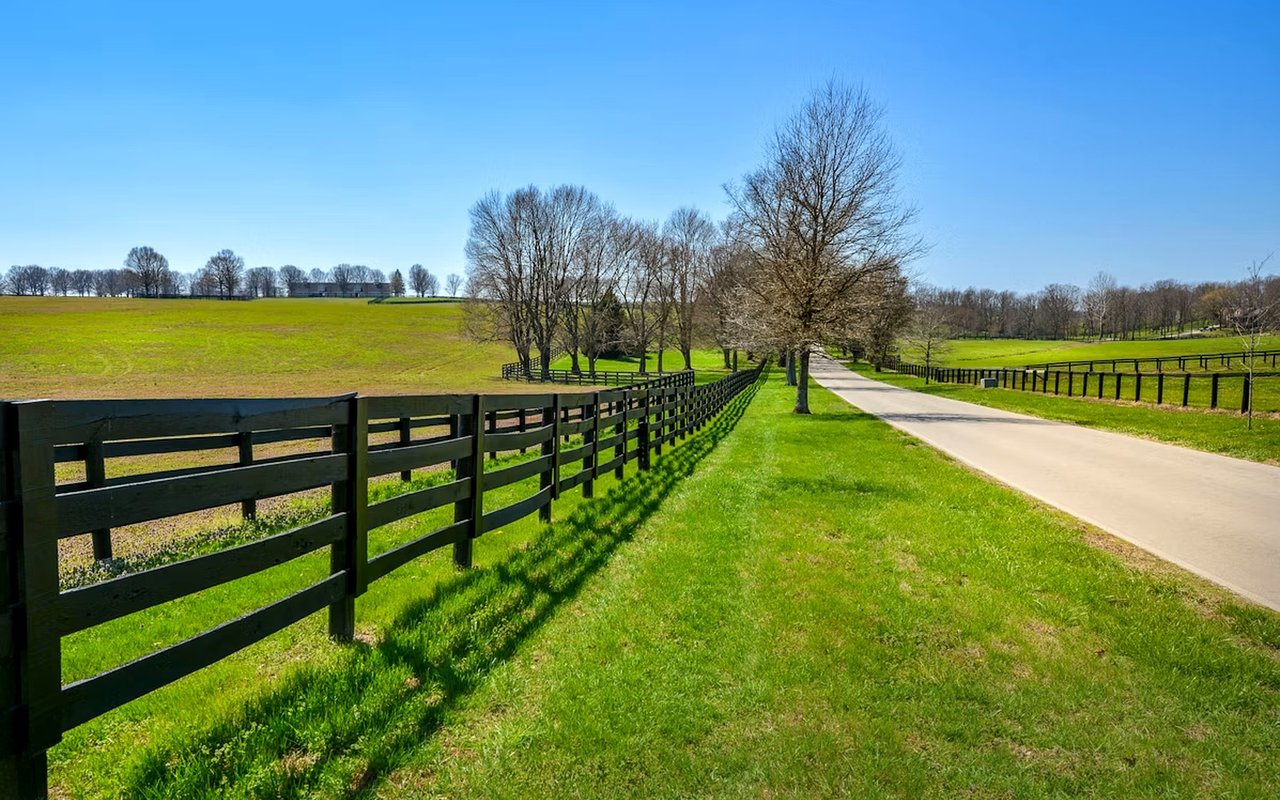
- Perimeter and cross-fencing suited to the type of livestock or horses planned for the property
- Barns, equipment storage, and any existing outbuildings
- Established road frontage and access, since some rural parcels rely on easements
- Terrain considerations common in the Hill Country, including limestone and rocky or hilly ground
A property with solid existing infrastructure can save significant time and cost compared to building everything from scratch. It's worth weighing that difference against price when comparing two otherwise similar ranches.
Frequently Asked Questions
Which counties see the most ranch and equestrian activity near Austin?
Blanco, Burnet, Gillespie, Hays, and Llano counties all see regular ranch and equestrian activity. Each has its own character and pace, so it's worth comparing more than one before narrowing a search.
Do mineral rights typically transfer with a Hill Country ranch purchase?
Not always. Mineral rights can be separated from surface ownership, so it's worth confirming what's included in a specific sale rather than assuming they transfer automatically.
Is it common to hire a specialist to evaluate water rights before buying?
Yes, especially for larger or more remote properties. A water rights consultant can assess availability, quality, and any restrictions tied to a specific parcel before a buyer commits.
Contact The Weiss Group Today
Ranch and equestrian properties require a different kind of due diligence than a typical home purchase, from water rights to agricultural exemptions to existing fencing and infrastructure. Getting these details right before an offer is what separates a smooth purchase from one full of surprises after closing.
If you're searching for a ranch or equestrian property in the Austin Hill Country, reach out to us at The Weiss Group and we can help you evaluate your must-haves in property before you begin your home search.
If you're searching for a ranch or equestrian property in the Austin Hill Country, reach out to us at The Weiss Group and we can help you evaluate your must-haves in property before you begin your home search.