If you are thinking about buying in Northwest Hills, you are probably asking the right question: what does this market really feel like right now? This part of Austin has a long-established reputation, but buying here is not as simple as picking a neighborhood name and writing an offer. You need to understand pricing, competition, and property-by-property differences so you can move with confidence. Let’s dive in.
Northwest Hills Market Snapshot
Northwest Hills is a large, established area within Austin city limits in Travis County, generally enclosed by RM 2222, Loop 360, U.S. 183, and MoPac. According to the Northwest Austin Civic Association, the area includes more than 6,200 single-family households, and many homes are not part of an HOA even though many HOAs do exist here.
That mixed setup matters when you buy. In Northwest Hills, you cannot assume HOA rules, deed restrictions, or property standards are the same from one street to the next. A home search here works best when you treat each block and each listing as its own micro-market.
What Homes Look Like Here
Northwest Hills is primarily a detached-home market with older housing stock. Homes.com describes most homes as having been built from the 1950s through the 1990s, with a median year built of 1974, an average single-family size of 2,170 square feet, and a median lot size of 7,840 square feet.
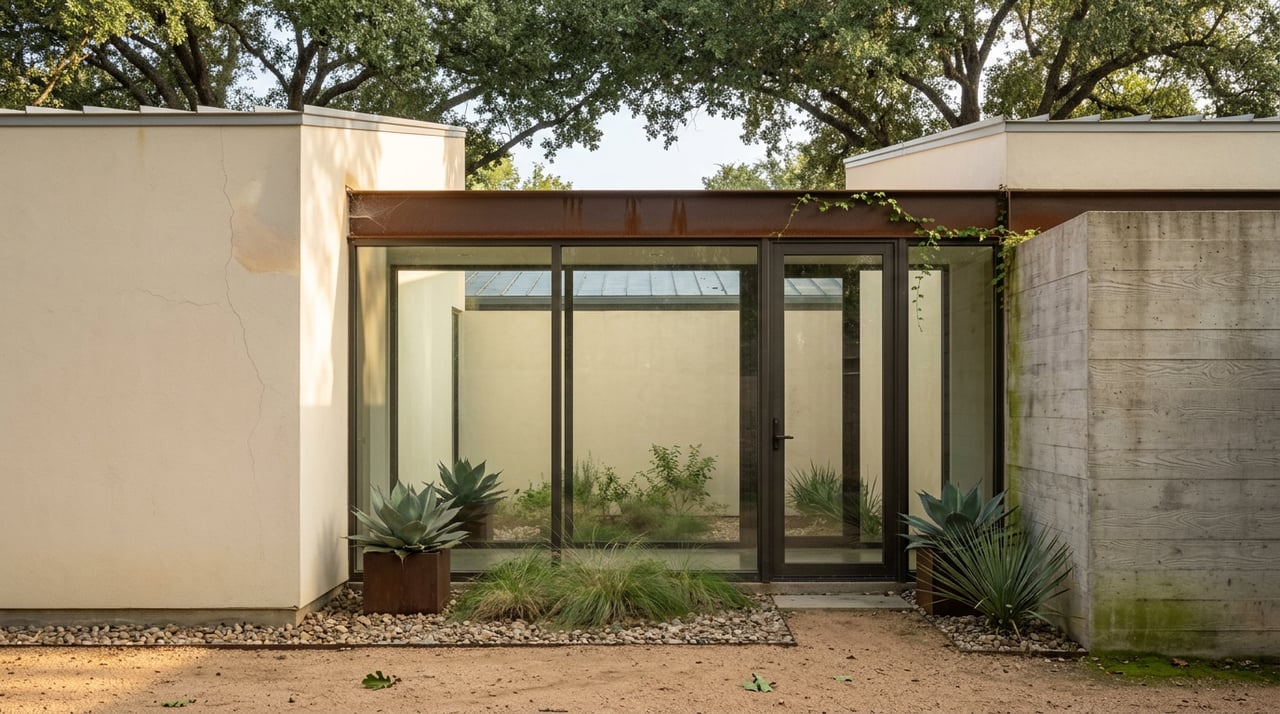
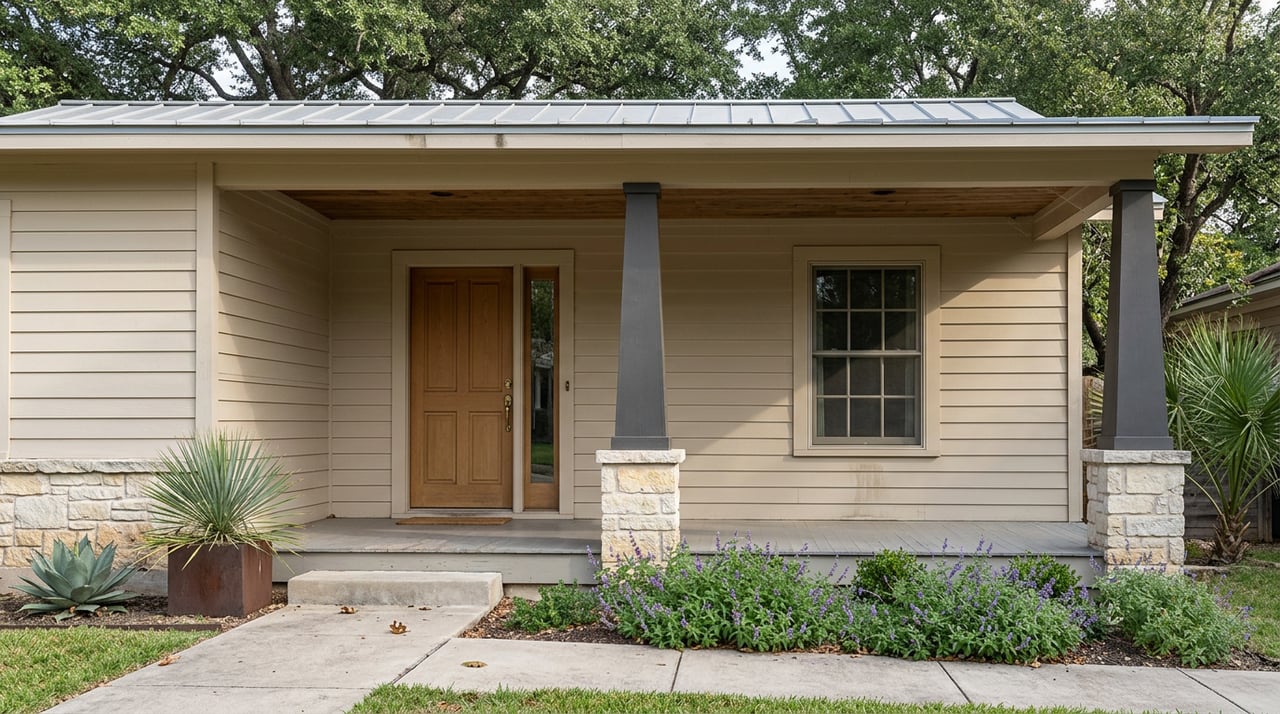
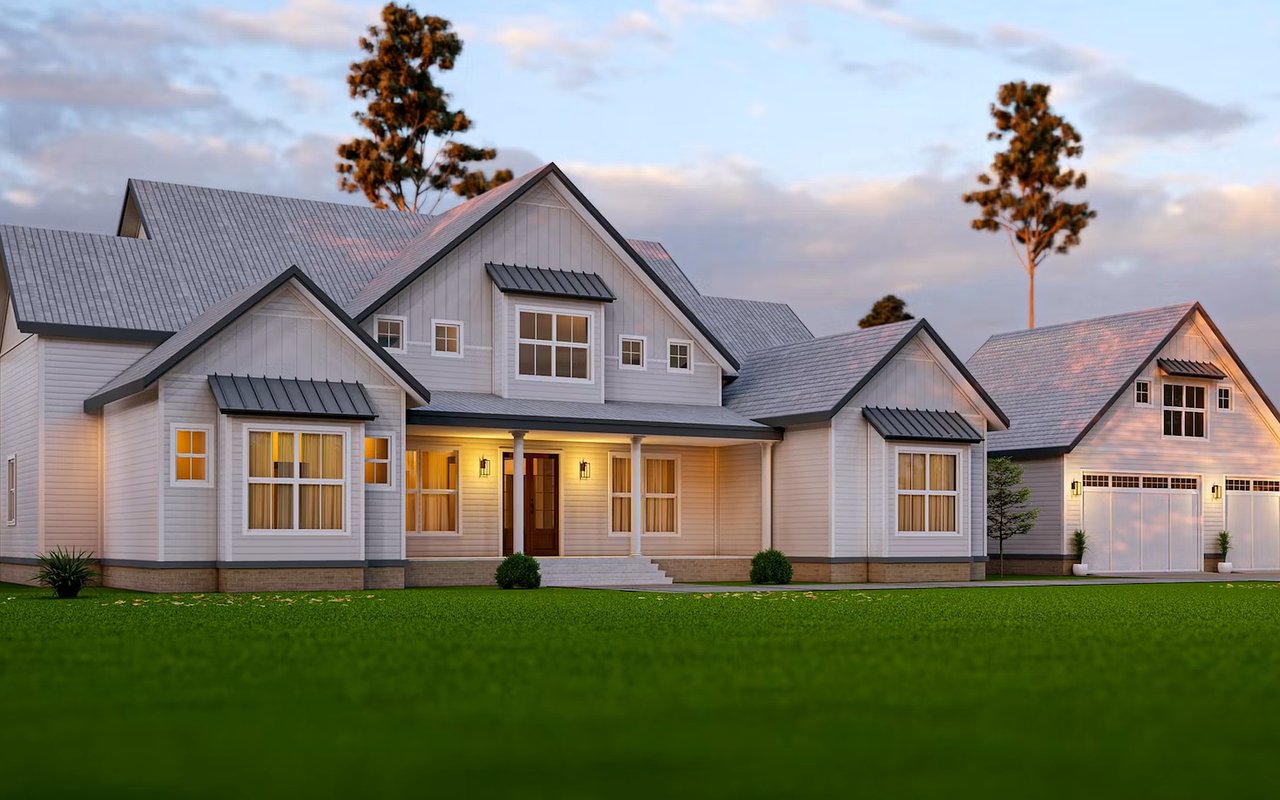
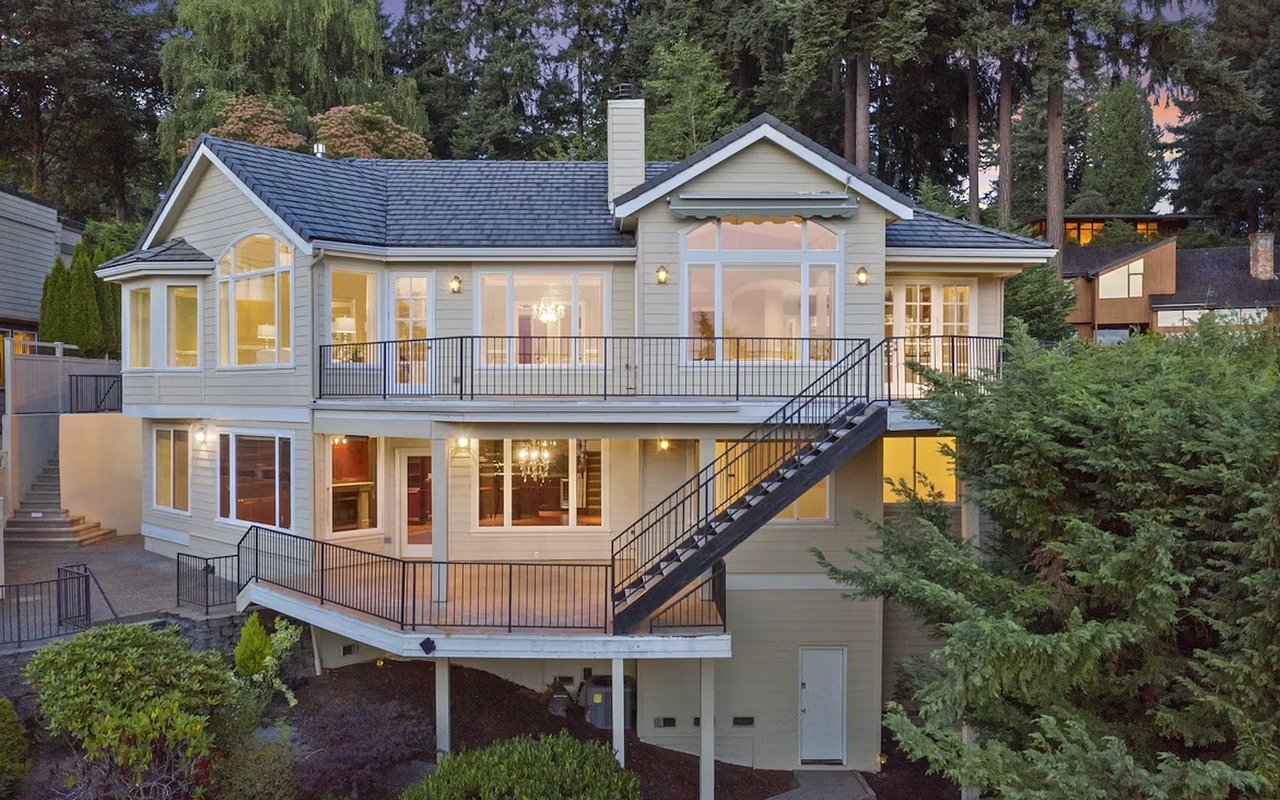
You will also see a wide mix of styles. Midcentury modern, ranch, split-level, contemporary, and newer traditional homes all appear throughout the area, often set on sloping Hill Country terrain with mature oak trees. Condos and townhomes are also present, but the area is still known mainly for single-family homes.
For buyers, that means inventory can feel varied in a good way. You may find a well-kept original home, a heavily updated property, or a home with strong bones that still needs work. Those differences have a major effect on price and negotiation strategy.
How Northwest Hills Pricing Compares
Northwest Hills generally sits above broader Austin and Travis County pricing. Unlock MLS reported an April 2026 median sold price of $573,750 for the City of Austin and $505,000 for Travis County, while Redfin showed a three-month Northwest Hills median sale price of $663,253 for April 2026. Homes.com, using a different time frame, showed a 12-month neighborhood median sale price of $840,000.
The exact number depends on the data source and time window, but the direction is clear. Northwest Hills is a higher-priced central Austin submarket, not a lower-cost entry point. If you are targeting this area, it helps to set expectations around both price and condition before you start touring.
Within the neighborhood, values can vary sharply. Homes.com notes that traditional single-family homes under 2,500 square feet often sell from the upper $500,000s to the upper $900,000s, while larger homes can range from the upper $900,000s to nearly $3 million. Attached homes usually sit in a lower price band, though they often come with HOA costs.
Why Prices Vary So Much
In Northwest Hills, location inside the neighborhood matters almost as much as the neighborhood itself. Lot shape, slope, tree coverage, views, renovation quality, and overall finish level all influence value in a meaningful way.
That is why two homes with similar square footage can have very different outcomes. A home with a more usable lot, stronger views, or higher-end updates may attract faster interest, while a home needing drainage work, interior renovation, or exterior repairs may sit longer and invite more negotiation.
This is one of the biggest things to expect as a buyer here. You are not really buying “Northwest Hills” in the abstract. You are buying a specific house on a specific street with its own strengths, constraints, and future costs.
How Competitive Is the Market?
Redfin currently describes Northwest Hills as somewhat competitive. Over the three months ending in April 2026, homes sold in an average of 46 days, the median sale-to-list ratio was 97.3%, 11.7% of homes sold above list price, and 37.0% had price drops.
Those numbers suggest a market with opportunity, but not one where buyers can afford to be careless. Some homes still get multiple offers, and Redfin reports that hot homes can go pending in around 22 days. At the same time, there is evidence of price sensitivity, especially when a home is dated, overpriced, or needs meaningful work.
Homes.com adds another useful data point, showing 28 homes for sale, 103 home sales over the last 12 months, and 3.30 months of supply. Together, that points to an active market that is no longer pure bidding-war territory, yet still rewards buyers who are prepared and decisive.
What Buyers Should Expect Right Now
The current Northwest Hills market tends to reward balance. You may have room to negotiate on homes that need updates or have sat on the market, but you still need to act quickly when a listing checks the right boxes on location, lot, and condition.
In practical terms, expect a market where timing still matters. A well-located, well-presented, heavily updated home may not wait for a slow decision. On the other hand, listings with deferred maintenance, functional drawbacks, or ambitious pricing may offer more leverage.
This is where local strategy matters most. A strong buying plan in Northwest Hills is less about assuming the entire area is hot or soft and more about reading each property clearly.
Due Diligence Matters More Here
Because many homes are older and lots can be sloped or heavily treed, due diligence in Northwest Hills should go beyond the basics. According to the Northwest Austin Civic Association, oak wilt and wildfire are active concerns in the area, and Austin Watershed Protection advises buyers to use city tools such as FloodPro to check whether a property is in a floodplain.
Austin Water also states that Austin’s public water system is free of lead pipes, but homes built before 1986 may still warrant a plumbing review because private fixtures and service lines can contain lead-related materials. Since much of the neighborhood dates from before then, this is especially relevant in Northwest Hills.
As you evaluate homes, pay close attention to:
- Roof age
- Drainage patterns
- Retaining walls
- Foundation movement
- Tree health
- Plumbing materials
- Floodplain status
- HOA and deed restriction status
These are not small details. In a neighborhood with older homes and hillside lots, they can affect both your near-term repair budget and your long-term comfort in the home.
Don’t Assume HOA or Deed Rules
One of the most overlooked parts of buying in Northwest Hills is the area’s mixed HOA status. NWACA notes that many homes in the neighborhood are not part of an HOA, even though many HOAs do exist.
That means you should verify restrictions for the exact property you want, not rely on assumptions based on nearby homes. If you care about renovation plans, additions, landscaping changes, parking, or exterior modifications, this step is especially important.
Verify School Assignment by Address
If school assignment is part of your home search, verify it by property address during your pre-offer process. Homes.com notes that some Northwest Hills blocks feed to Doss Elementary and Murchison Middle, while Redfin reminds users that school boundaries should be treated as reference points only.
In other words, neighborhood name alone is not enough. If a particular assignment matters to your decision, confirm it early so you can move forward with clarity.
A Smart Buying Approach for Northwest Hills
If you want to buy well in Northwest Hills, keep your process focused and practical. This market usually favors buyers who know their numbers, understand condition tradeoffs, and stay responsive when the right home appears.
A smart approach often looks like this:
- Set a budget that matches Northwest Hills pricing, not just Austin-wide averages.
- Decide where you are flexible on updates, lot characteristics, and home style.
- Review each listing as a micro-market, not as a generic neighborhood comp.
- Move quickly on standout homes with strong location and finish level.
- Slow down for careful due diligence on older homes or hillside lots.
- Verify floodplain, plumbing, HOA, deed restriction, and school details before you commit.
That combination of speed and discipline can help you avoid overpaying while still staying competitive.
Northwest Hills can be a compelling place to buy because it offers established housing, central Austin access, mature trees, and a broad mix of home styles. But it is also a market where details matter, and broad averages only tell part of the story. If you want clear guidance on how to compare homes, spot value, and navigate the neighborhood street by street, The Weiss Group can help you buy with a smart, steady plan.
FAQs
What is the average price range for homes in Northwest Hills?
- Northwest Hills pricing varies by property type, lot, view, and renovation level. Research in the area shows smaller traditional single-family homes often sell from the upper $500,000s to the upper $900,000s, while larger homes can range from the upper $900,000s to nearly $3 million.
Is Northwest Hills a competitive market for buyers?
- Northwest Hills is considered somewhat competitive. Recent data showed an average of 46 days on market, a 97.3% median sale-to-list ratio, some multiple-offer activity, and price drops on 37.0% of homes.
Are most Northwest Hills homes older?
- Yes. Most homes in Northwest Hills were built from the 1950s through the 1990s, and the median year built is 1974.
Do all Northwest Hills homes have an HOA?
- No. The neighborhood has mixed HOA status, and many homes are not part of an HOA. You should verify HOA membership and deed restrictions for the exact property you are considering.
What should buyers inspect in Northwest Hills homes?
- Buyers should closely review roof age, drainage, retaining walls, foundation movement, tree health, plumbing materials, floodplain status, and any HOA or deed restriction issues before closing.
Should buyers verify school assignments in Northwest Hills?
- Yes. School assignment should be confirmed by address during due diligence rather than assumed from the neighborhood name alone.