If you want a home where a morning trail walk, a swim at Barton Springs, or an easy dinner nearby can feel like part of your normal routine, Zilker probably catches your eye fast. It is one of those central Austin neighborhoods where lifestyle and location are tightly connected, and that can make the home search both exciting and a little complicated. This guide will help you understand what living near the park really means, what kinds of homes you will find, and what tradeoffs to expect before you make a move. Let’s dive in.
Why Zilker Feels Different
Zilker is shaped by Zilker Metropolitan Park in a way few neighborhoods are. According to the City of Austin, the park spans more than 350 acres and includes Barton Springs Pool, Zilker Botanical Garden, the Austin Nature and Science Center, Zilker Hillside Theater, the Butler Hike and Bike Trail, and Barton Creek Trail.
That matters because in Zilker, the park is not just a nearby green space. It helps define daily life. If you live here, access to trails, gardens, performance venues, and spring-fed swimming can become part of how you spend your week, not just how you spend a special Saturday.
The Zilker Neighborhood Association also describes the area as one that values neighborhood character, historic and cultural resources, environmental quality, and traffic safety. Its boundaries place Lady Bird Lake to the north, South Lamar to the east, and Barton Skyway to the south. For many buyers, that means a close-in location with a strong sense of place.
What Zilker Homes Look Like
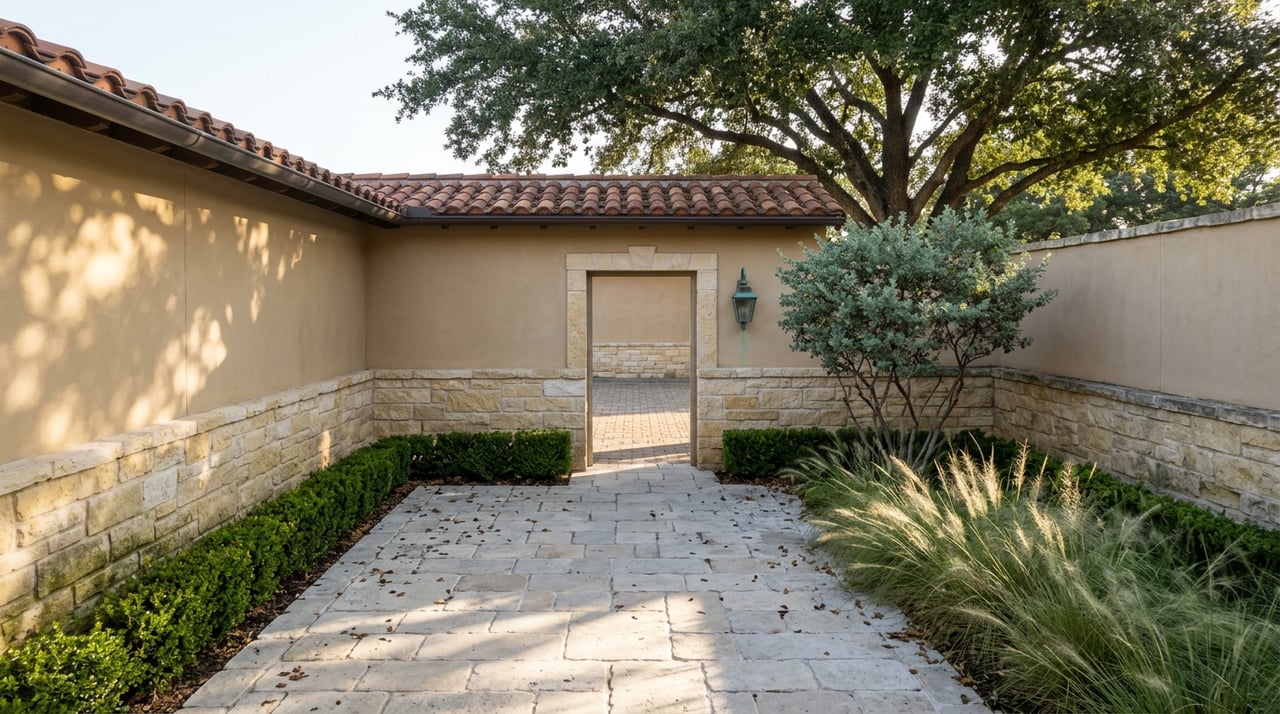
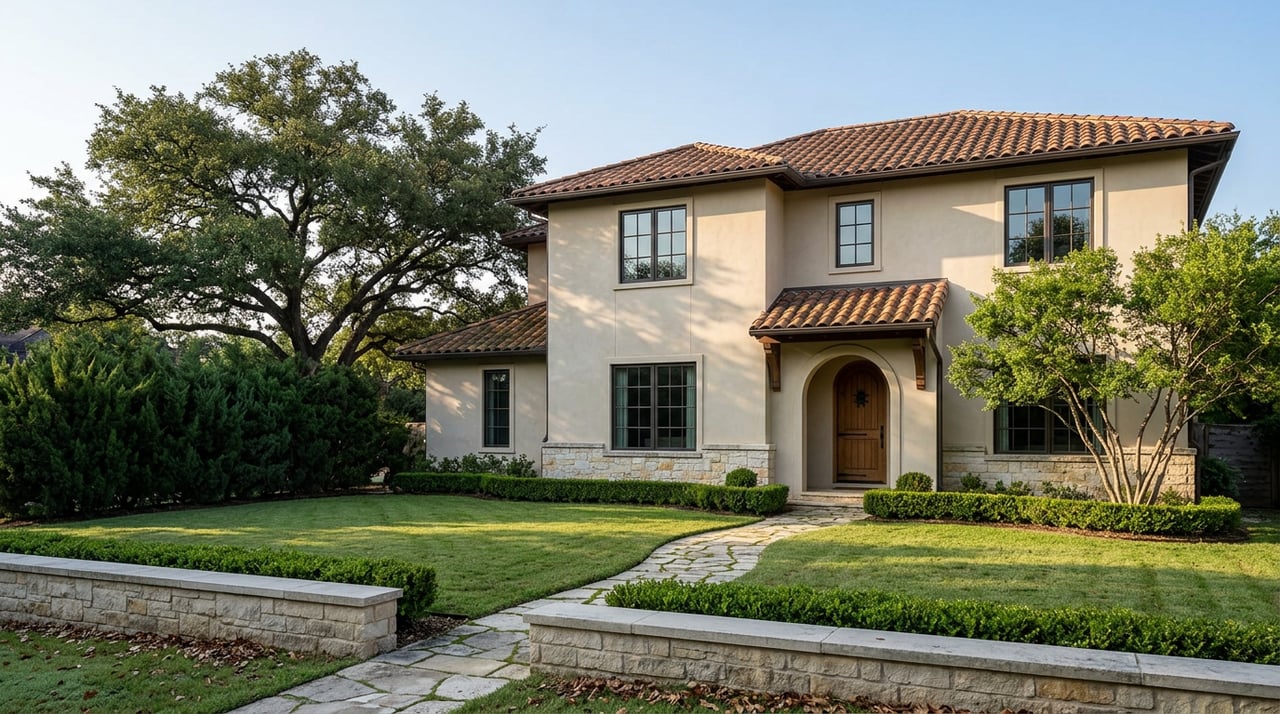
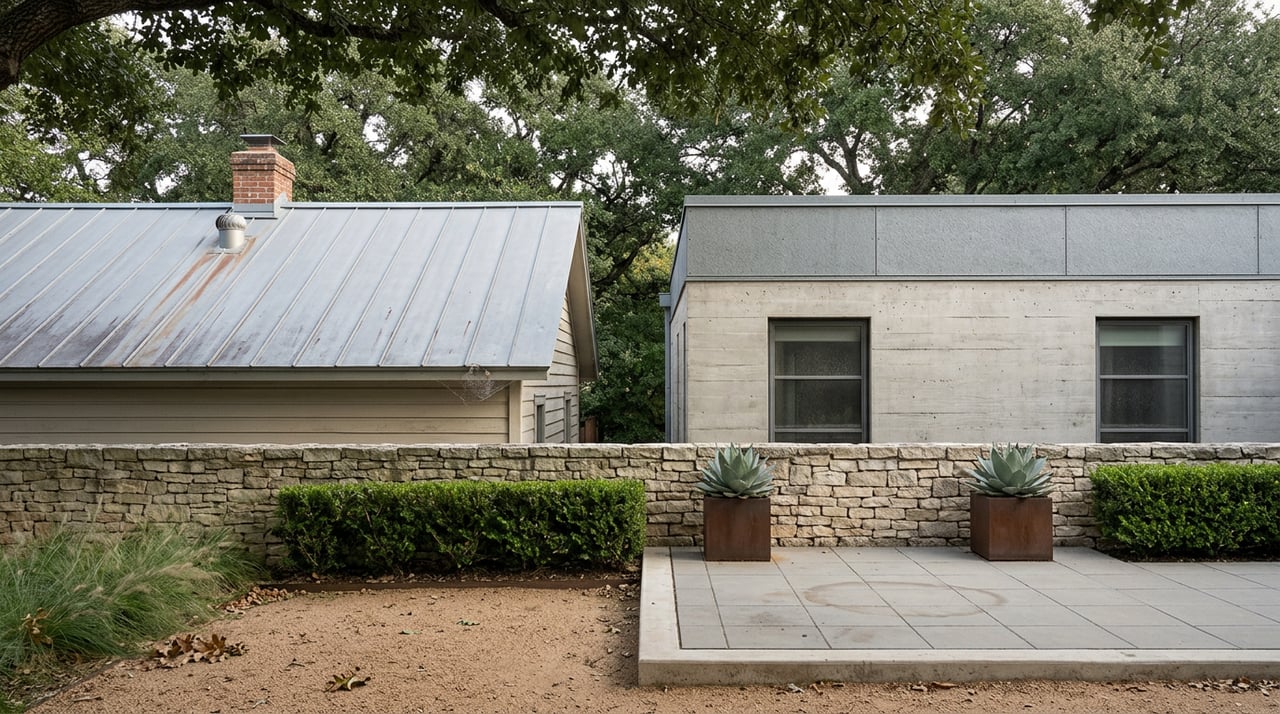
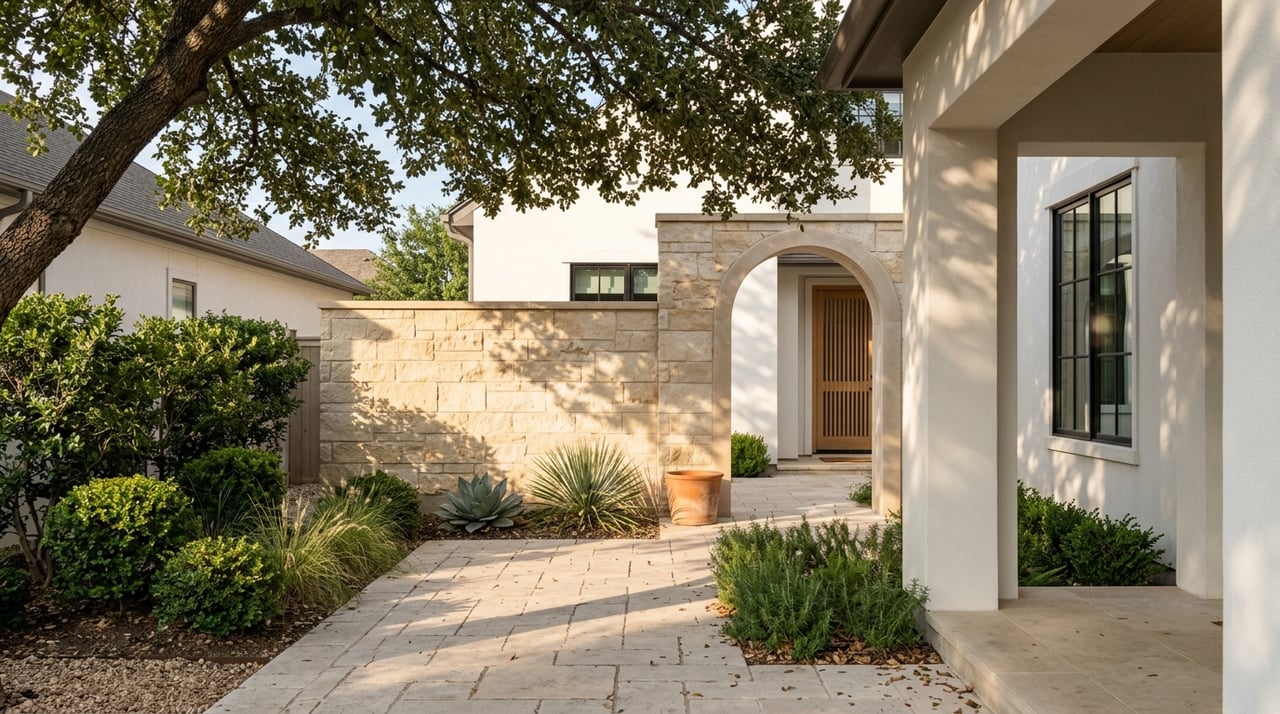
One of the biggest things to know about Zilker is that the housing stock is not one-note. You are not shopping in a neighborhood filled with one dominant style or one typical lot pattern. Instead, you are choosing among very different versions of central Austin living.
Zilker Neighborhood Association historical material notes that older homes in the area included cottage and bungalow styles. Later, small ranch homes and modern styles became more common after the mid-1900s.
Current listing snapshots reflect that mix. In the same neighborhood, you may see a restored 1940s bungalow, a 1950s single-story ranch, a newer attached home built in 2016, or condo-style units along Barton Springs Road.
Common Home Types in Zilker
- Older cottages and bungalows with original charm
- Renovated mid-century and ranch-style homes
- Newer attached homes and townhome-style options
- Condo-style properties closer to main corridors
For you as a buyer, this means the first question is not just, “Do I want to live in Zilker?” It is also, “What kind of Zilker lifestyle fits me best?” Some buyers want vintage character and mature surroundings. Others want lower-maintenance living and a lock-and-leave setup closer to Barton Springs Road or South Lamar.
What Pricing Tells You
Zilker is widely viewed as a premium central Austin submarket, but pricing can look different depending on the source and the metric used. In spring 2026, Redfin reported a median sale price of $1.1 million for Zilker in March. Zillow reported an average home value of $896,956 as of April 30, 2026, while Realtor.com showed a median listing price of $675,000 and a median 43 days on market in April 2026.
Those numbers do not conflict as much as they may first appear. They reflect different methods and property mixes, including attached homes and condos alongside detached homes. The big takeaway is simple: Zilker offers a range of price points, but buyers are still stepping into a close-in neighborhood with strong demand and limited room to feel suburban.
Walkability Is a Real Advantage
For many buyers, one of Zilker’s biggest selling points is how easy it feels to move through daily life without driving everywhere. Walk Score rates Zilker as the 11th most walkable neighborhood in Austin, with a neighborhood Walk Score of 75.
Some addresses near Barton Springs Road and South Lamar score in the very walkable range and also show good transit access. That means your experience can vary by block, but many parts of the neighborhood support a more connected, less car-dependent routine.
Walk Score also rates the broader 78704 zip code at 63 and notes roughly 380 restaurants, bars, and coffee shops in the area. In practical terms, that helps explain why errands, coffee runs, casual meals, and meeting friends can feel unusually close at hand when compared with more spread-out parts of the city.
What Everyday Access Can Look Like
- Walking or biking to trails and green space
- Using Barton Springs Road for nearby dining and errands
- Heading to South Lamar for shopping and everyday stops
- Keeping downtown access within a short reach
If your goal is centrality and convenience, Zilker checks a lot of boxes. If your goal is a quieter, more removed setting with larger lots and less activity, you may need to think carefully about the fit.
Transit and Getting Around
Transit is part of the appeal here too. CapMetro says its high-frequency network runs 14 routes every 15 to 30 minutes from 6 a.m. to 8 p.m., seven days a week. The City of Austin also notes that Barton Springs Pool can be reached by bus line 30 at the Barton Springs (Zilker Park) stop.
That does not mean every errand becomes transit-based, but it adds flexibility. For buyers who want options beyond driving, especially in a close-in neighborhood, that extra layer of access can be meaningful.
The Park Lifestyle Is Real
Living in Zilker means living near one of Austin’s most recognizable public spaces. Barton Springs Pool alone is a major daily-use amenity. The City of Austin describes it as a three-acre, spring-fed pool with an average water temperature of 68 to 70 degrees.
Zilker Botanical Garden adds another year-round draw inside the park. The city says the garden spans 28 acres and includes themed gardens and shaded paths.
This is why Zilker tends to attract buyers who care as much about lifestyle patterns as square footage. Being able to spend time outdoors close to home is not a side benefit here. It is often the reason people focus on the neighborhood in the first place.
What Buyers Should Watch For
The same features that make Zilker appealing can also create tradeoffs. Event activity is a real part of life near the park. The City of Austin says Zilker Park hosts Austin City Limits Music Festival, the Trail of Lights, and the ABC Kite Festival, with first-come, first-served parking and variable hourly fees on peak days.
If you are considering a home here, it helps to think beyond the listing photos. Ask yourself how you feel about event-season crowds, heavier traffic patterns, and the energy that comes with living near a major public destination.
Questions to Ask Before You Buy
- Do you want direct access to trails, parks, and outdoor amenities?
- Are you comfortable with busier periods during major events?
- Would you prefer a character home, a renovated older property, or newer attached construction?
- How important is walkability to your day-to-day routine?
- Are you choosing Zilker for lifestyle first, investment potential, or both?
These are not right-or-wrong questions. They are fit questions. The better you define your priorities early, the easier it becomes to sort through Zilker’s wide mix of homes and block-by-block experiences.
Who Zilker Usually Fits Best
Zilker often makes the most sense for buyers who want central Austin access, outdoor amenities, and distinctive housing options more than they want suburban quiet or expansive lots. That conclusion follows naturally from the area’s park adjacency, older cottage and ranch housing stock, walkable pockets, and newer condos and attached homes.
In other words, Zilker tends to reward buyers who will actually use what makes it special. If you picture yourself taking advantage of the trails, pool, gardens, and nearby dining on a regular basis, the neighborhood can offer a lifestyle that is hard to replicate elsewhere.
How to Shop Zilker Strategically
Because the neighborhood includes everything from older homes with original character to newer lock-and-leave options, your search needs structure. It helps to decide early which tradeoffs matter most to you.
A Smart Zilker Home Search Starts Here
- Define your preferred home type before touring too many properties.
- Separate must-haves from nice-to-haves, especially around size, parking, and maintenance.
- Pay attention to where a home sits in relation to Barton Springs Road, South Lamar, and the park.
- Consider how event traffic and visitor activity may affect your block.
- Compare lifestyle value, not just bedroom count or interior finishes.
That kind of planning matters in a neighborhood where two homes at similar price points can offer very different living experiences. The right choice is often the one that aligns best with how you actually want to spend your time.
If you are thinking about buying or selling in Zilker, local guidance can make the process much clearer. The Weiss Group helps Austin buyers and sellers navigate neighborhood tradeoffs, uncover the right opportunities, and make confident decisions with a calm, strategic approach.
FAQs
What types of homes are common in Zilker, Austin?
- Zilker includes older cottages and bungalows, mid-century ranch homes, renovated older properties, newer attached homes, and condo-style units.
How walkable is the Zilker neighborhood in Austin?
- Walk Score rates Zilker at 75 and ranks it as the 11th most walkable neighborhood in Austin, with some areas near Barton Springs Road and South Lamar scoring even higher.
What park amenities are near homes in Zilker?
- Homes in Zilker are near Zilker Metropolitan Park, which includes Barton Springs Pool, Zilker Botanical Garden, the Austin Nature and Science Center, Zilker Hillside Theater, Butler Hike and Bike Trail, and Barton Creek Trail.
What should buyers know about living near Zilker Park events?
- Buyers should know that major events like Austin City Limits Music Festival, the Trail of Lights, and the ABC Kite Festival can bring seasonal crowds, traffic, and parking pressure.
Is Zilker a good fit for buyers who want central Austin living?
- Zilker can be a strong fit if you want close-in access, outdoor amenities, walkable pockets, and housing with character, but it may be less ideal if you want larger lots or a quieter suburban feel.