Wondering how to choose the right home in Lakeway when every option seems to promise a different version of the good life? If you are relocating from out of town, it can be hard to tell whether a home fits your daily routine or just looks great in photos. This guide will help you sort through Lakeway’s home styles, commute tradeoffs, and key cost factors so you can make a smart move with confidence. Let’s dive in.
Start With Your Lakeway Lifestyle
Lakeway sits on the south shore of Lake Travis in western Travis County, about 25 miles west of downtown Austin. City information describes it as a resort-style, growth-managed community with golf courses, tennis courts, marinas, a private airport, a full-service hotel and spa, parkland, trails, greenbelts, and a long lakefront setting. That mix gives you a very specific lifestyle to weigh before you ever compare square footage.
For many relocating buyers, the main decision is not just which house to buy. It is whether you want to prioritize scenery and recreation or keep more flexibility for a regular commute. Because regional access depends heavily on a few major corridors, your location within Lakeway can shape your day more than you might expect.
Ask Yourself These First Questions
Before touring homes, narrow your search around how you actually want to live:
- Do you want easier access to Lake Travis, parks, or trails?
- Do you need a simpler weekday drive to Austin or nearby job centers?
- Do you want a larger lot with more privacy?
- Would you prefer a lower-maintenance home such as a condo or townhome-style option?
- Are you comfortable buying in an area with nearby active development or road work?
When you answer these questions first, you can rule out homes that do not fit your routine, even if they look appealing online.
Understand Lakeway Home Types
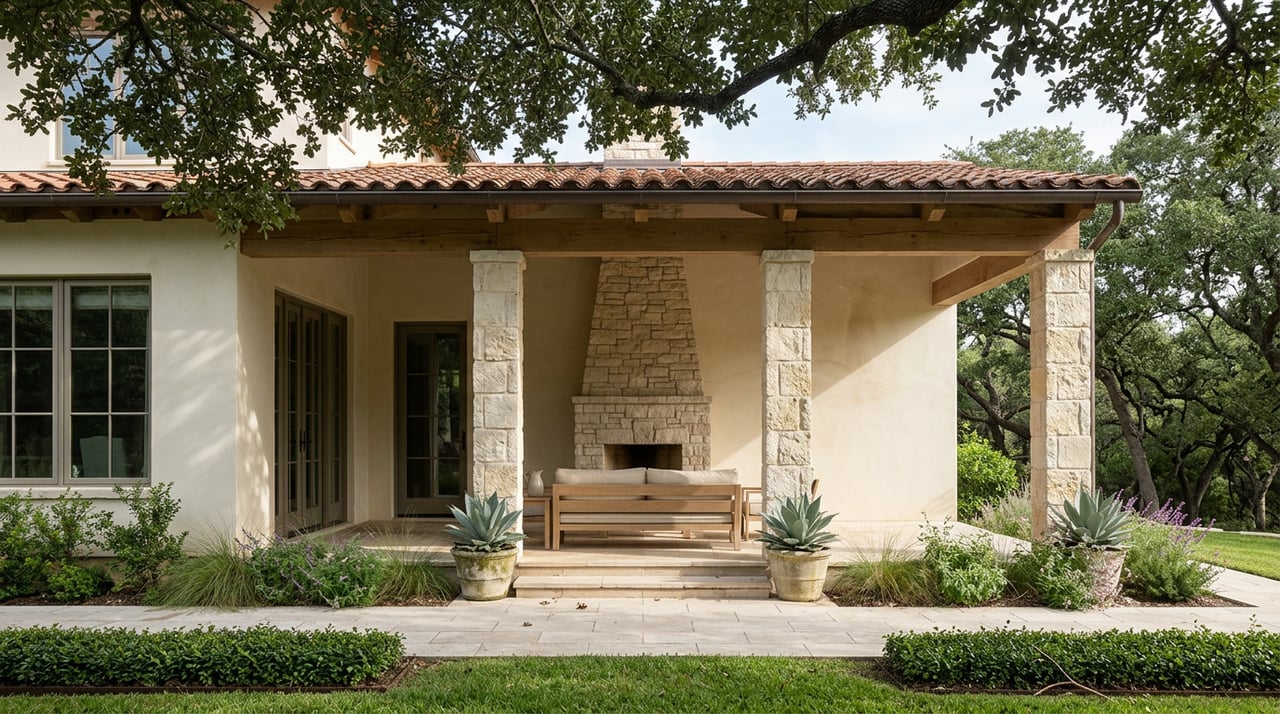
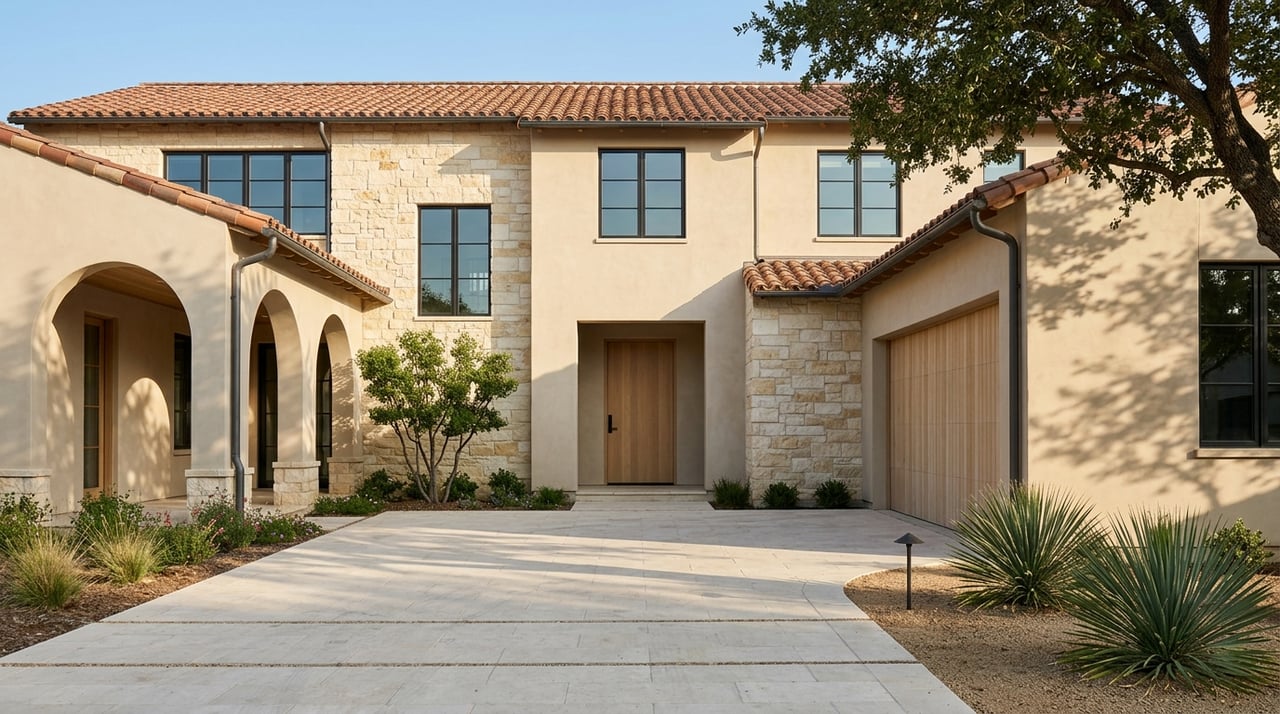
One of the biggest relocation mistakes is assuming Lakeway is all large homes on oversized lots. City planning documents show a more varied housing mix. While low-density housing is the dominant pattern, Lakeway includes single-family detached homes, garden or patio homes, duplexes, and condominiums.
Built form often sits on lots ranging from about a quarter acre to two acres, with homes typically one to two stories tall. That means you may find very different living experiences from one part of Lakeway to another, even within a relatively small area.
Compare Established and Newer Areas
Lakeway has grown into distinct neighborhoods rather than one uniform housing product. City development materials reference places such as Lakeway Highlands, The Oaks, Tuscan Village, and Lakeway Medical Village, along with projects that include townhomes and single-family homes. In practical terms, that means your search should include established streets, planned communities, and newer mixed-use pockets.
An older section may offer a more settled feel and mature landscaping. A newer pocket may offer newer finishes, different maintenance expectations, or proximity to evolving retail and services. Neither is automatically better. The right fit depends on how you want to live.
Use Location to Narrow Your Search
In Lakeway, street-level location matters. The city’s transportation planning identifies SH 71 as a primary east-west highway and RM 620 as a major arterial. Roads such as Lohmans Crossing, Lakeway Boulevard, Flint Rock Road, Highlands Boulevard and Bee Creek Road, and Serene Hills Drive help shape daily driving patterns.
That road network means two homes with similar prices can offer very different daily convenience. If you commute often, your exact route matters more than broad map distance.
Look at Access Versus Quiet
A useful way to sort options is by lifestyle first:
- Near SH 71 or RM 620: Often better for regional access
- Interior streets: Often quieter and more neighborhood-focused
- Near park and trail areas: Better for outdoor lifestyle access
- Near mixed-use or active development areas: May offer convenience, but could come with phased construction nearby
These are general patterns, not guarantees for every address. Still, they are a smart way to frame your search early.
Test the Commute Before You Buy
If you will drive regularly for work, school, or appointments, do not skip this step. TxDOT identifies RM 620 as the primary access route for the southern Lake Travis area and a commuter highway. It also reports significant morning and afternoon peak delays because of growth, limited route alternatives, constrained rights-of-way, and environmental constraints.
In simple terms, Lakeway can feel very different on a quiet weekend than it does on a Tuesday morning. A home that seems ideal online may not feel ideal once you test your actual drive time.
How to Run a Real Commute Test
Before making an offer, try this:
- Drive from the home area at the exact time you would normally leave.
- Repeat the route on the return trip during evening peak hours.
- Include the local connectors you would use most often, not just the main highway.
- Check whether any nearby road work or widening projects could affect your route.
This one exercise can save you from choosing a home that fits your wish list but creates daily stress.
Verify Schools by Address
If school zoning is part of your move, use address-level verification. Lake Travis ISD serves Lakeway, and the district’s street directory notes that all listed addresses are zoned for Lake Travis High School. Even so, you should confirm the exact school assignment by street address using district tools before you move forward.
This is especially important if you are comparing multiple homes in different sections of Lakeway. Small location differences can affect school assignment details, so it is worth checking early rather than after you are emotionally invested in one property.
Model Your True Monthly Cost
Relocating buyers often focus on purchase price first and total carrying cost second. In Lakeway, that can be a mistake. Texas has no state property tax, but local taxing units set their own rates.
Lakeway states that its portion is roughly 7% to 9% of a typical property tax bill, while the largest portion goes to Lake Travis ISD. Travis County also notes that each taxing unit calculates its own rate. That means you should model the full bill with the county appraisal office or a tax professional instead of relying on a single headline rate.
Costs to Review Before an Offer
As you compare homes, look at:
- Property taxes across all local taxing units
- Water and wastewater service structure, which may involve municipal utility districts
- Fire and EMS service context, provided by Lake Travis Fire Rescue
- Maintenance expectations tied to lot size, age, and home type
Two homes with similar list prices may carry very different monthly costs. That is why a clean side-by-side comparison matters.
Scout the Lifestyle in Person
Lakeway is the kind of place that rewards a scouting trip. The city says City Park is public, 64 acres, free to use, and open to the public. It includes nearly two miles of trails and access to swimming, fishing, kayaking, and other recreation.
That makes it easy to test whether the lifestyle truly fits you before you buy. A short visit can tell you much more than listing photos about pace, access, and how you might spend your weekends.
A Smart Lakeway Scouting Trip
If you are relocating from out of town, use a simple sequence:
- Do one weekday drive during your likely commute window.
- Spend part of a weekend at City Park and nearby trail areas.
- Visit the grocery and medical corridor you would most likely use.
- Verify school zoning by exact address if that matters to your household.
This approach gives you a realistic picture of daily life, not just a sales snapshot.
Check Development Around the Home
Lakeway continues to evolve through large projects and mixed-use planning. That is not necessarily a negative, but it does mean you should understand what is around a property today and what may be changing nearby.
A home in a stable older pocket may offer a more established setting. A home near a phased project may offer future convenience, but it may also come with nearby construction as part of the ownership experience.
Questions to Ask Before You Write an Offer
Before moving ahead, ask about:
- Nearby road projects or widening work
- Active or planned development close to the property
- Current public boat-ramp access if lake access matters to you
- Whether the home sits near a corridor that may be busier over time
This is a simple step, but it can help you avoid surprises after closing.
A Practical Way to Choose the Right Home
If you are relocating to Lakeway, the best decision usually comes from a clear process, not a quick reaction. Start with lifestyle priorities, then verify how each home works for commute, school zoning, and total monthly cost. From there, you can compare properties with more clarity and less emotion.
Lakeway offers a wide range of living experiences, from quieter interior streets to homes that favor easier regional access, and from established neighborhoods to newer development pockets. When you match the home to your real routine, you are much more likely to feel confident in the move.
If you want help narrowing the right part of Lakeway, comparing home options, or planning a smooth relocation timeline, The Weiss Group can help you move with clarity and confidence.
FAQs
What should you consider first when relocating to Lakeway?
- Start with your lifestyle needs, including commute, outdoor access, lot size, privacy, and maintenance level.
How do you choose the right neighborhood in Lakeway?
- Compare established neighborhoods, newer planned communities, and mixed-use areas based on how each location fits your daily routine and access needs.
How important is commute testing before buying a Lakeway home?
- It is very important because RM 620 is a primary commuter route and TxDOT reports significant peak-period delays on the corridor.
How do you verify school zoning for a Lakeway home?
- Check the exact property address using Lake Travis ISD attendance tools before writing an offer.
What home types can you find in Lakeway?
- Lakeway includes single-family detached homes, garden or patio homes, duplexes, and condominiums, with many homes on roughly quarter-acre to two-acre lots.
What costs should you review before buying in Lakeway?
- Review the full property tax picture, utility setup, fire and EMS service context, and ongoing maintenance costs tied to the property type and lot.
Why should you check nearby development before buying in Lakeway?
- Because Lakeway continues to grow, and nearby road work, phased construction, or mixed-use development can affect convenience and the ownership experience.